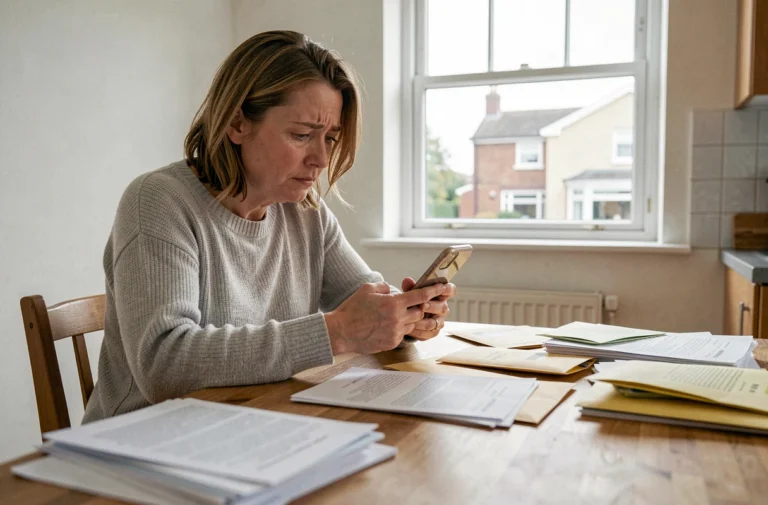
One single figure sets the tone: nearly one in five households has experienced a rejected bank withdrawal in the past year. Behind this statistic, the reality is less trivial than it seems. The consequences come quickly, without warning, and reversing the situation can sometimes feel like an obstacle course.
Sometimes, it just takes a poorly chosen date or a slow-to-fill account: the bill tries to go through, the balance doesn’t follow, and the withdrawal fails immediately. The bank alerts you, but the creditor doesn’t wait: reminders, follow-ups, official letters pile up. In daily life, it’s a race to avoid being caught off guard, as the budget wavers and serenity gives way to tension.
For those on the other side, suppliers or landlords, the ritual hardly changes: additional fees, threats of service interruption, registered letters landing in the mailbox. The isolated incident that seemed minor escalates quickly: the bill rises fast, and the whole family can feel the repercussions.
Why is a bank withdrawal rejected, and what should you expect?
An overdrawn account is just one explanation among others. A simple IBAN with a mistake, an expired SEPA mandate, an active opposition… even the slightest grain of sand can jam the mechanism. Immediately, the bank applies its penalties, trust erodes, and a few too many incidents expose you to restrictions, a tarnished history, or registration in specialized files − sometimes, with a long-lasting disruption to your banking relationship.
The trap is to ignore the alert. Allowing the situation to fester multiplies unexpected complications: contract termination, issues with the landlord, or even a summons before a judge. It’s also ignoring a legal landscape that can quickly become slippery: it’s better to inform yourself about the legal consequences of a rejected bank withdrawal to avoid falling from a great height.
How to react without delay? The reflexes that change the game
In the face of a rejection, acting quickly is already regaining some control. The first step: precisely identify the cause of the problem. Is it the balance, a technical error, a blockage on the mandate? This diagnosis serves as a starting point to resolve the situation.
Next, it is crucial to contact the creditor quickly. Often, an arrangement is possible: some agree to retry the withdrawal or offer another payment method. Ideally, keep all written records: emails, messages through your client area, these proofs can be useful later in case of a dispute. Remember: you have eight weeks to report an incorrectly debited amount, and up to thirteen months if the mandate was never signed.
To avoid escalation, here are the steps to follow from the first incident:
- Ask your bank for the exact reason for the rejection and learn the steps to take for effective regularization.
- Check the validity of the SEPA mandate and the accuracy of the provided details.
- Contact the creditor without delay to agree on a new deadline or a different payment.
- In case of budget difficulties, try to negotiate a temporary installment or a solution tailored to your situation.
Carefully keep every exchanged letter, every document sent. This file will be valuable if the situation worsens or a dispute arises.

Better to prevent: habits that make a difference
When the rejection occurs, acting quickly can sometimes be enough to reverse the trend. Replenishing the account on time facilitates a new withdrawal attempt; otherwise, a direct payment or card payment can resolve the situation and slow the rise of fees.
However, the real key is anticipation. Reviewing upcoming withdrawals, activating alerts if the balance drops, ensuring that no transfers between banks are forgotten: these reflexes are better than scrambling in an emergency. Adjusting the withdrawal date when the month looks tight also helps ease the pressure on the budget.
Day to day, a few simple actions help maintain control:
- Keep SEPA mandates updated (address, bank details, validity) for each regular debtor.
- Set up bank notifications as soon as the account approaches a critical threshold.
- Consult an advisor in case of repeated incidents to implement flexible and personalized solutions.
- Examine the fees charged by the bank to anticipate costs and review payment methods if necessary.
These routine checks take little time but can prevent many disappointments. It’s better to inform a creditor of a difficult period than to wait for an incident. This budgetary balance relies on this ordinary discipline, week after week.
Never trivial, the rejection of a withdrawal leaves little respite: keeping your cool and managing your account with agility ensures a smoother navigation. An alert screen will never replace your responsiveness − but your precautions can truly make a difference.