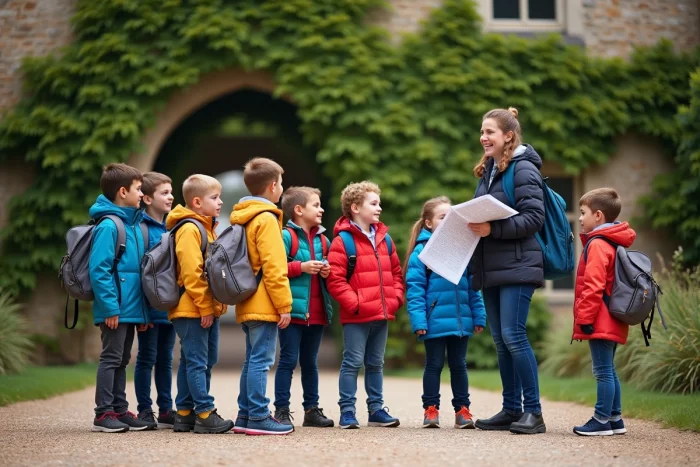
Regulations prohibit finalizing a school trip without prior approval of the project by the head of the institution. Yet, every year, trips are canceled due to failure to comply with this mandatory step. The management of parental permissions, often a source of administrative errors, leads to avoidable delays.
Logistical coordination between teachers, families, and external providers regularly generates misunderstandings, despite digital tools intended to simplify the task. Experienced teachers identify meticulous planning as a key factor for success, which is rarely highlighted in institutional guides.
Essential things to know before embarking on organizing a school trip
Organizing a school trip is never improvised. It all starts with a teacher leading the project, concerned students, and essential partner families. The first step is the written educational project: it specifies the educational objectives, outlines the program of activities, details the evaluation method, and describes the organization on site.
But nothing moves forward without the green light from the head of the institution. Depending on the case, the national education inspector or the board of directors must also approve. No departure without their agreement. On the paperwork side, vigilance is essential: each parental authorization, every administrative form or budget must be completed on time, otherwise the project stalls. Deadlines, often tighter than expected, require foolproof organization.
Thinking about a school trip means building a solid specification document. The choice of partner organizations, the selection of supervisors, every decision counts. To avoid getting lost in regulatory mazes, the Partir en Classe website serves as a compass: it lists updated procedures, offers templates and practical advice, and shares feedback directly from the field. Relying on these resources allows for smoother progress, avoiding classic pitfalls and assembling a solid file for the administration.
What steps to follow to calmly prepare an educational stay?
Once the educational project is approved, the machine gets going: the teacher orchestrates all logistics, from transport to accommodation and meals. Reception centers are chosen based on specific criteria: alignment with the program, safety, capacity to support the group. Every detail matters, from the transport provider to room assignments, not forgetting the anticipation of special dietary needs.
To stay on track, a complete stay file must be compiled. Here are the documents to gather without exception:
- the parental authorization
- the health information sheet
- copies of the ID card or passport
- the European health insurance card for stays abroad
- the authorization to leave the territory, if needed
Forgetting even one element can jeopardize everything. Informing families in advance, detailing the list of required documents, and setting clear deadlines helps avoid last-minute scrambles.
Before departure, organizing an information meeting with parents and students is essential. The itinerary of the stay, collective rules, and the list of items to prepare are presented. The supervisory team, composed of teachers and volunteer adults, ensures the safety of the group: respecting the official supervision ratio, adapting it based on age and activities, is a given.
On the day of departure, nothing replaces a rigorous checklist: passports, medical treatments, emergency numbers… everything is scrutinized. This attention protects the serenity of the stay and reassures families who entrust their children.

Practical tips and tricks to involve students, parents, and the teaching team
For the school trip to become a collective adventure, everyone must find their place. The teacher, the driving force behind the project, brings together students, colleagues, and parents. From the first meeting, they present the educational project, clarify the objectives, and encourage discussion. Focusing on clarity builds trust.
The issue of funding mobilizes everyone. Several solutions exist:
- requesting support from the Socio-Educational Center (FSE) or the Student House
- appealing to the college social fund or local authorities
- involving parent associations to organize raffles, sales, or solidarity actions
This collective mobilization ensures that every family can participate, according to their means.
Involving students from the preparation stage gives meaning: creating posters, leading meetings, presenting the stay to their peers… Their engagement strengthens, and the group dynamic naturally establishes itself. The supervisors, chosen for their availability and skills, ensure a climate of listening and safety. Relying on complementary personalities guarantees calm and effective group management.
To keep everything running smoothly, setting up a summary table of roles and tasks proves valuable: displayed in the teachers’ lounge or shared with families, it makes everyone’s responsibilities visible, both adults and students, for each stage of the stay. Smooth information flow is the best guarantee of controlled organization.
A well-prepared school trip promises shared memories and collective successes. Because behind every departure, there is the quiet energy of a united team and the pride of students opening up to the world together.