Leisure occupies an increasingly important place in daily concerns, far beyond just vacation periods. The boundary between at-home activities and occasional outings is blurring, with practices adapting to individual constraints of time, space, and physical condition. This movement towards more flexible, shorter, and easily integrated leisure activities is reshaping how we spend our free hours.
Micro-leisure in daily life: short formats that change the game
Long lists of activities to try someday often end up forgotten in a corner of the browser. What works in daily life are formats of just a few minutes, initiated without preparation or special equipment. The term micro-leisure refers to these low-friction practices: a quick sketch, listening to a podcast, a breathing exercise, a page of free writing.
The interest lies in regularity rather than duration. Ten minutes of drawing each morning requires neither classes nor talent, but produces a measurable effect on concentration and personal satisfaction. The same principle applies to reading short news articles, learning a word in a foreign language, or practicing an instrument during a break.
Exploring leisure on identitools allows you to identify categories of activities suited to these short time slots, without heavy commitments or restrictive subscriptions.
Hybrid leisure: between home and local outings
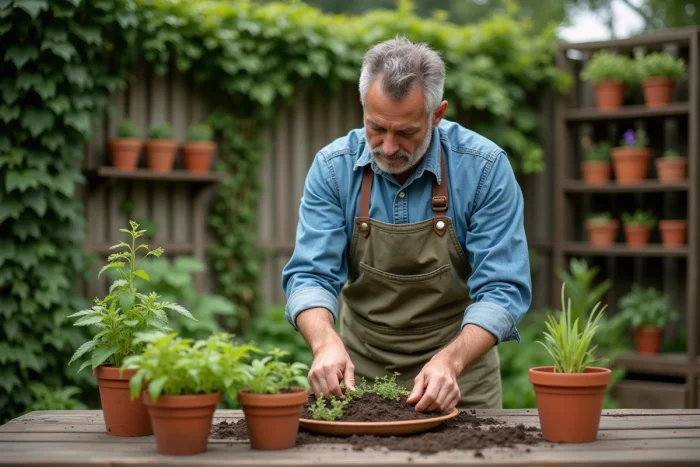
Many leisure practices today blend time at home with occasional outings. One might start an online course on Tuesday evening, join a group workshop on Saturday morning, and then continue alone at home the following week.
Hybrid leisure combines individual practice with occasional meetings. A concrete example: learning the basics of pottery through video tutorials, then signing up for a session in a shared workshop to access a kiln. The same pattern exists for cooking, photography, Nordic walking, or genealogy.
This back-and-forth between home and local outings reduces the pressure of commitment. There’s no need to enroll in an annual course to get started. There’s also no need to remain alone in front of a screen for months.
Occasional workshops and à la carte courses
Associative structures and coworking spaces are increasingly offering courses and workshops without subscriptions, payable per session. Ceramics, watercolor, bike repair, introduction to fermentation: these formats respond to a demand for discovery without long-term commitment.
Some participants go through initiations without ever delving deeper. Others find their preferred activity after two or three tries. Both paths have their value.
Leisure adapted to age and physical abilities
General articles on activity ideas often overlook a determining factor: not everyone has the same mobility or endurance. A leisure activity designed for an active thirty-year-old may not be suitable for a seventy-year-old with joint pain, nor for someone in recovery.
Adapting the activity to one’s actual capabilities prevents early abandonment. Walking, often cited as a universal leisure activity, illustrates this point well. Between a three-hour hike in the mountains and a twenty-minute walk on flat terrain, the gap is considerable, but both count as leisure physical activity.
- Photographic walking (strolling with the sole objective of photographing what catches the eye) combines gentle movement and visual stimulation at a free pace.
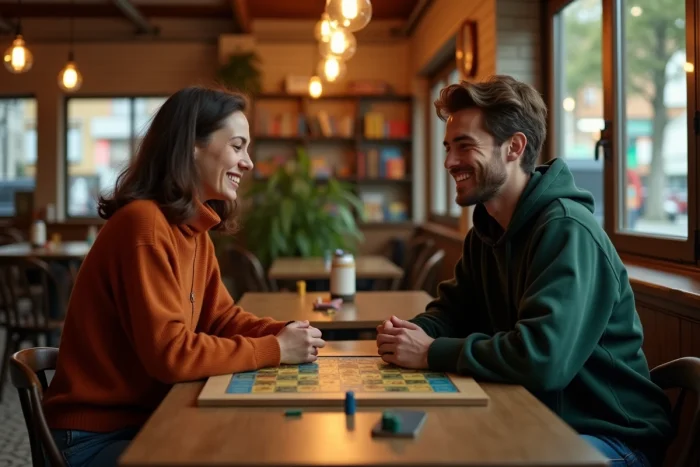
- Modern board games, often designed for twenty to forty-minute sessions, engage memory and strategy without physical demands.
- Writing – journaling, correspondence, micro-stories – requires only a pen and paper, and adapts to any sitting or semi-reclined position.
The available data does not allow for a conclusion on an “ideal” leisure activity by age group. However, activities that allow for modulation of intensity and duration according to daily form are those that last longest in habits.
Leisure and mental load: an underestimated link
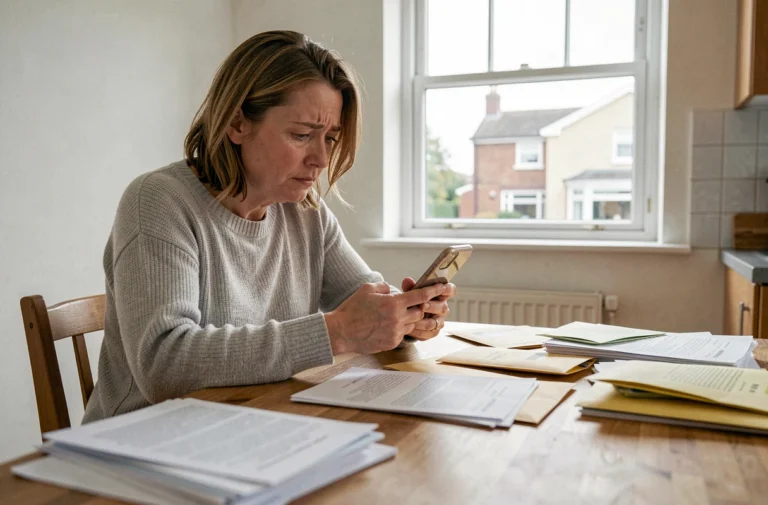
Articles on activity ideas list suggestions but rarely analyze why some people struggle to get started. The mental load related to work, household management, or administrative obligations sometimes leaves so little cognitive space that even a pleasurable leisure activity feels like an additional task.
An effective leisure activity is one that does not generate new mental load. This means: no equipment to prepare the night before, no fixed appointments to fit into a packed schedule, no mandatory progression. The activities that work best in this context are those that can be interrupted and resumed without guilt.
Criteria for choosing a low-friction activity
- The startup time is less than five minutes (no travel, no complex setup).
- The activity provides immediate satisfaction, even if partial (a completed sketch, a chapter read, a recipe tested).
- It does not require a partner or a fixed time slot.
- It can be practiced in a limited space (apartment, balcony, garden).
These criteria do not constitute an absolute rule. Some derive considerable benefit from demanding activities (a team sport with fixed training, a weekly music class), precisely because the imposed framework frees them from choice.
Culture and informal learning as everyday leisure
Listening to a history podcast while doing the dishes, taking a free online course on botany, reading an in-depth article on an unfamiliar topic: these practices fall equally under leisure and informal learning. They require neither a diploma nor a certification goal.
The proliferation of accessible resources (podcasts, short videos, digital libraries) has transformed curiosity into a fully-fledged leisure activity. Learning something every day, even in a fragmented way, nurtures a sense of progression that contributes to overall well-being.
The choice of a leisure activity that lasts over time depends less on the nature of the activity than on its compatibility with the actual pace of life. It’s better to have a modest activity practiced three times a week than an ambitious project abandoned after two sessions. It’s this regularity, more than originality, that makes the difference.