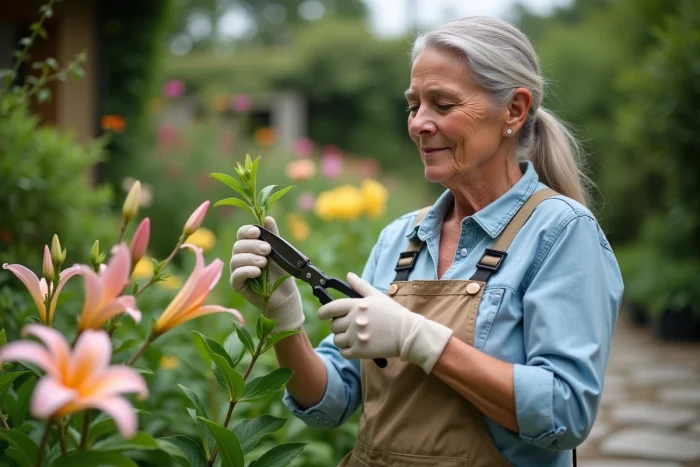
The multiplication of the Inca lily does not always adhere to traditional cutting methods. Some varieties refuse to root despite usual care, while others prove surprisingly easy to propagate with unconventional techniques.
Experienced gardeners observe that the timing and the segment of stem chosen strongly influence the success rate. The use of specific substrates and maintaining perfectly controlled humidity often make the difference between failure and vigorous recovery.
Why the Inca lily attracts amateur gardeners interested in propagation
The Inca lily, or alstroemeria, piques the curiosity of those who scrutinize the diversity of perennial plants. Its reputation is based on its generous flowering, intense and prolonged, which colors the garden from spring until the frost. This plant fascinates with its ability to adapt, withstand harsh winters in certain regions, while offering a multitude of varieties in vibrant hues. The propagation of the Inca lily is particularly appealing for its potential to enrich flower beds without requiring excessive investment.
The alstroemeria stands out for the robustness of its rhizomes and the vigor of its growth. Giving new life to each segment of stem or root becomes an almost playful experience, rewarding for both the amateur and the specialist. Plant enthusiasts praise the ease of planting the Inca lily and the speed of its recovery, provided the plant’s cycles and suitable growing conditions are respected.
The cutting techniques for the Inca lily attract the interest of a loyal community, always in search of proven methods. Their exchanges, based on patient observation and a fine understanding of the vegetative cycle, contribute to circulating tips and tricks on the propagation of this perennial plant native to South America. Thus, alstroemeria establishes itself as a reliable choice for garden plants, and often, a successful cutting is all it takes to see a flourishing colony settle in year after year.
What are the most reliable techniques for propagating alstroemeria at home?
Cutting by division of rhizomes: the flagship method
The division of rhizomes is considered the preferred method when aiming for successful propagation of alstroemeria. It is best to choose a vigorous mother plant, aged two to three years. At the very beginning of spring or at the end of summer, remove the root ball without damaging it. With clean hands or a well-cleaned knife, separate the rhizomes: each piece should carry at least one shoot and some fine roots. There is no need to force; this is a delicate, almost surgical gesture.
The choice of substrate: the key to vigorous recovery
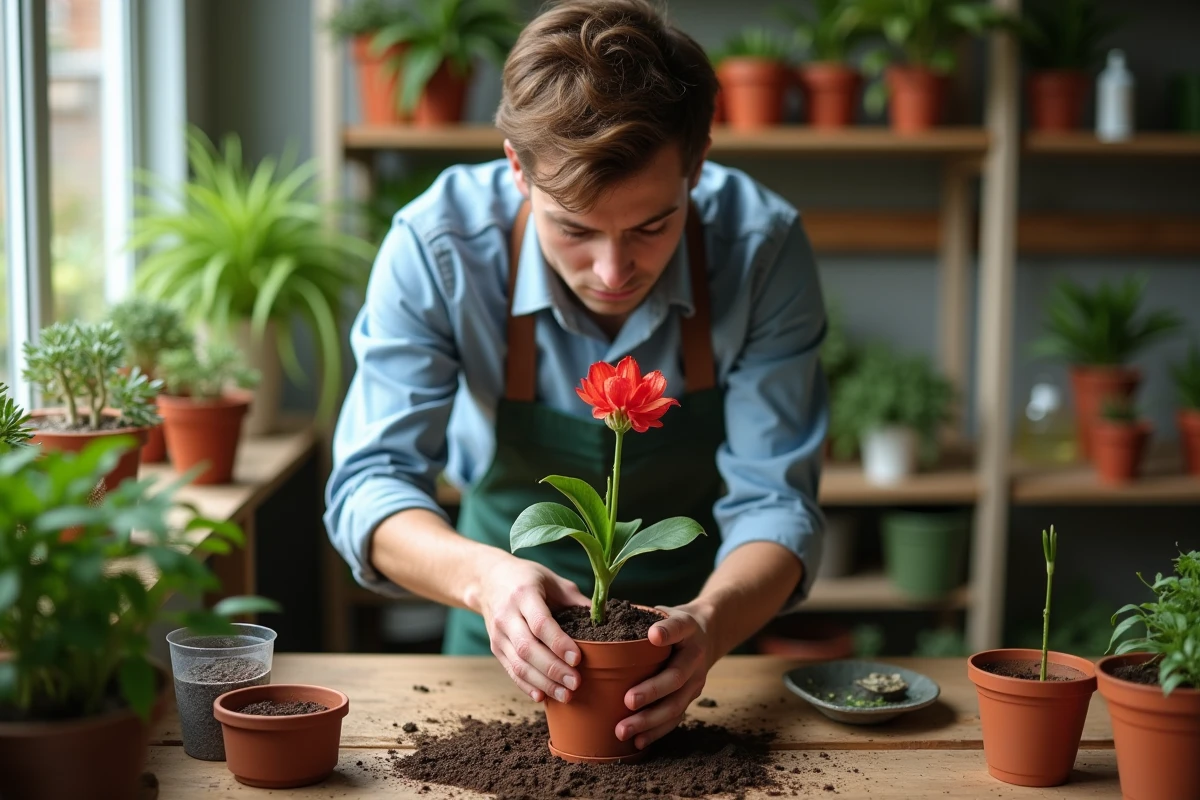
To give your cuttings the best chance, prepare a suitable substrate: a mixture of potting soil rich in humus combined with sand for perfect drainage. This light base limits the risk of rot while promoting root growth. Place each fragment in a pot or directly in the ground, choosing a location bathed in indirect light.
Here are the essential points to monitor to provide your cuttings with the best conditions:
- Use a sandy potting soil that remains moist but never waterlogged
- Maintain consistent humidity, without ever flooding the substrate
- Opt for a mild temperature, away from spring or autumn frosts
You will notice the recovery after a few weeks when young shoots appear. To successfully propagate your alstroemeria cutting, monitor growth, carefully dose watering, and do not give in to impatience: propagation requires regular attention, but the reward is seen in the colorful explosion of blooming.
Small maintenance tips to see your cuttings thrive quickly
A few simple gestures, applied with rigor, will transform your young Inca lilies into robust and flowering plants. Keep a light hand on watering: the substrate should remain moist, but never waterlogged. Monitor humidity by slipping a finger into the soil, and wait until it feels barely moist before adding water. This reflex makes a difference, just like paying attention to the first signs of disease or pest attacks.
To stimulate the growth of new plants, provide a special flowering plant fertilizer at a reduced dose every three weeks. Favor contributions rich in potash, which encourage root development and flowering. Also, remember to regularly remove faded flowers: this classic gesture, often forgotten, rejuvenates the plant and prolongs its brilliance. Finally, in case of cold or wind, protect your cuttings to prevent a halt in their growth. A light mulch is enough to limit water and thermal stress.
Keep these points of vigilance in mind to support your cuttings towards rapid growth:
- Moderate watering while keeping the substrate always slightly moist
- Appropriate fertilizer, applied at regular intervals
- Removal of faded flowers to enhance blooming
- Protection against cold and drafts for young plants
Through observation, patience, and small adjustments, your Inca lilies will root, grow, and gradually transform the garden into a vibrant, spectacular scene. Successful cuttings are promises of an increasingly colorful spring each year, where perseverance always pays off.